
Why Some People Are More Likely to Develop Glaucoma
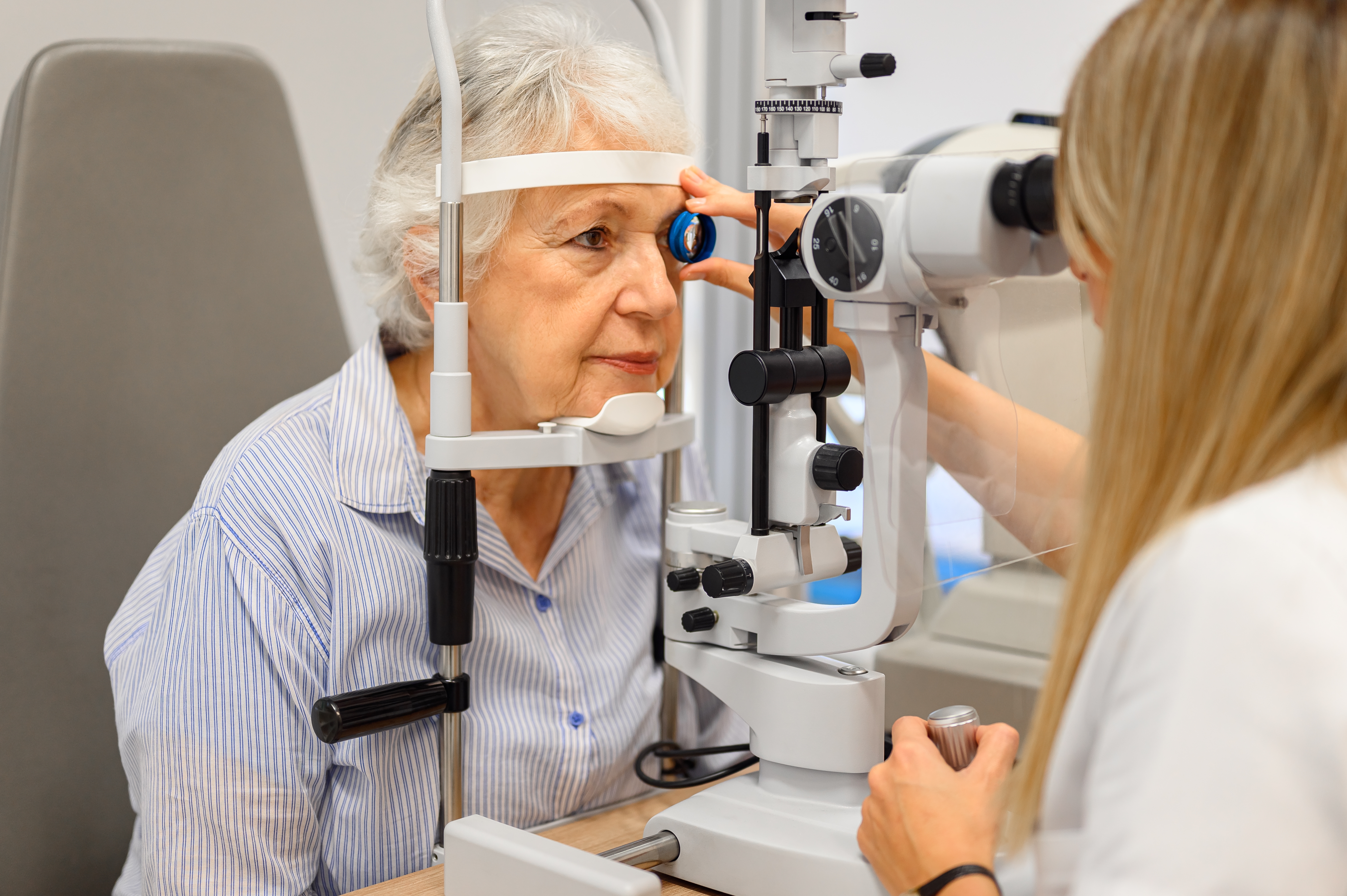
Glaucoma is often called the “silent thief of sight” because it can damage the optic nerve before noticeable vision changes occur. While anyone can develop glaucoma, some people have a higher risk based on age, family history, eye pressure, overall health, and other factors. Understanding your personal risk can help you stay proactive with routine eye exams and early detection.
What Is Glaucoma?
Glaucoma is a group of eye diseases that damage the optic nerve, which carries visual information from the eye to the brain. This damage is often related to increased eye pressure, but glaucoma can also occur when eye pressure appears normal.
Because early glaucoma usually does not cause pain or obvious symptoms, many patients do not realize they have it until vision loss has already started. Maintaining regular eye exams is one of the best ways to detect signs of glaucoma early and monitor changes over time.
Common Glaucoma Risk Factors
Some glaucoma risk factors are related to genetics, while others are connected to health conditions or eye structure. You may be more likely to develop glaucoma if you have:
- A family history of glaucoma
- Higher eye pressure
- Age over 40, with risk increasing as you get older
- Diabetes, high blood pressure, or poor circulation
- A history of eye injury or eye surgery
- Thin corneas or certain optic nerve characteristics
- Severe nearsightedness or farsightedness
- Long-term use of steroid medications
Having one or more of these risk factors does not mean you will definitely develop glaucoma, but it does mean regular monitoring is important.
Why Family History Matters
Glaucoma can run in families. If a parent, sibling, or close relative has been diagnosed with glaucoma, your own risk may be higher. This is why it is important to share your family eye health history during your exam.
Your eye doctor can use this information, along with testing and imaging, to determine how often your eyes should be checked. For patients with a higher risk, more frequent glaucoma screenings may be recommended.
How Eye Pressure Affects Glaucoma Risk
Eye pressure, also called intraocular pressure, plays an important role in glaucoma risk. When fluid inside the eye does not drain properly, pressure can build and place stress on the optic nerve.
However, eye pressure is only one part of the picture. Some patients with high eye pressure never develop glaucoma, while others develop optic nerve damage with normal eye pressure. That is why a complete evaluation is more useful than relying on pressure alone.
The Importance of Early Detection
Vision loss from glaucoma is usually permanent, but early diagnosis can help slow or prevent further damage. During a glaucoma evaluation, your eye doctor may check eye pressure, examine the optic nerve, assess peripheral vision, and use advanced diagnostic technology, such as retinal imaging or OCT scans, to look for subtle changes in the optic nerve and surrounding tissue. This detailed testing helps detect signs of glaucoma that may not be noticeable during daily life.
Annual eye exams are especially important because glaucoma often affects side vision first. Many people do not notice this change right away because central vision can remain clear in the early stages.
Protecting Your Long-Term Eye Health
If you are at a higher risk for glaucoma, the most important step is staying consistent with eye care. Early monitoring allows your eye doctor to identify changes, recommend treatment when needed, and help protect your vision over time.
Schedule your next eye exam with Hillsdale Eyecare and take a proactive step toward protecting your vision from glaucoma. Visit our office in Hillsdale, New Jersey, or call (201) 666-8081 to book an appointment today.



Contact Info
Office Hours
- Monday Closed
- Tuesday 10:00am - 6:00pm
- Wednesday 10:00am - 6:00pm
- Thursday 10:00am - 7:00pm
- Friday 10:00am - 6:00pm
- Saturday 10:00am - 2:00pm
- Sunday Closed
© 2026 Hillsdale Eyecare. All Rights Reserved. Accessibility Statement | Privacy Policy | Sitemap
Powered by:
